

When cybercriminals broke into Red Cross servers and exposed the data of more than 515,000 people, it was a wake-up call for the entire humanitarian sector. The attack rippled across 60 National Societies worldwide, a chilling reminder of how vulnerable NGOs are in today’s digital age.
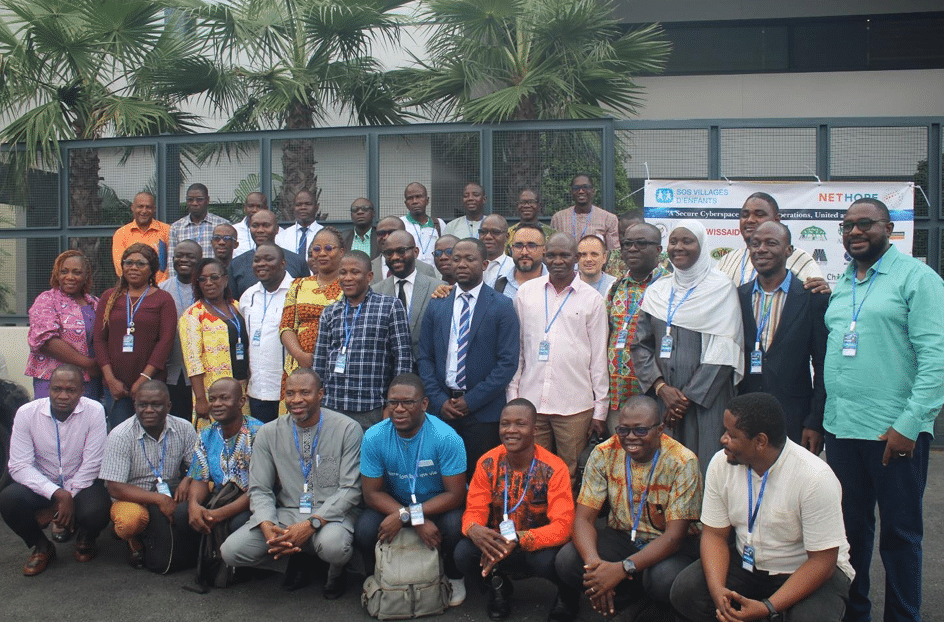
This was the backdrop for the Regional NGO Cybersecurity Workshop, held on July 1–2, 2024, in Abidjan, Côte d’Ivoire, hosted by SOS Children’s Villages Côte d’Ivoire with support from NetHope.
Over two days, NGOs from across West and Central Africa joined government officials and cybersecurity experts to face a stark reality: more than 50% of NGOs have been targeted recently, yet 70% lack even basic incident response systems. The stories shared were sobering — from cases of identity theft costing billions of CFA francs, to organizations paralyzed by ransomware attacks that halted humanitarian aid.
Yet the workshop was also a space of hope and action. Save the Children’s IT team outlined practical steps NGOs can take, from stronger password hygiene to using two-factor authentication. Government partners shared how national cybersecurity strategies and legal frameworks are being rolled out. And NetHope presented findings from its global survey: while 75% of member NGOs say their cybersecurity is improving, most still don’t trust the strength of their systems.
Together, participants shaped a roadmap forward:
The message from Abidjan was clear: cybersecurity is no longer optional, it is central to the integrity, trust, and impact of NGOs. By turning shared challenges into shared solutions, NGOs in West and Central Africa are charting a safer digital future for the communities they serve.


