

We’re excited to share the latest case study in our ongoing series on how artificial intelligence (AI) is advancing humanitarian planning and response. This edition spotlights the International Committee of the Red Cross (ICRC)’s collaboration with Swiss academic institutions to develop POMELO, an AI powered population mapping tool designed to support more accurate, data driven crisis response.
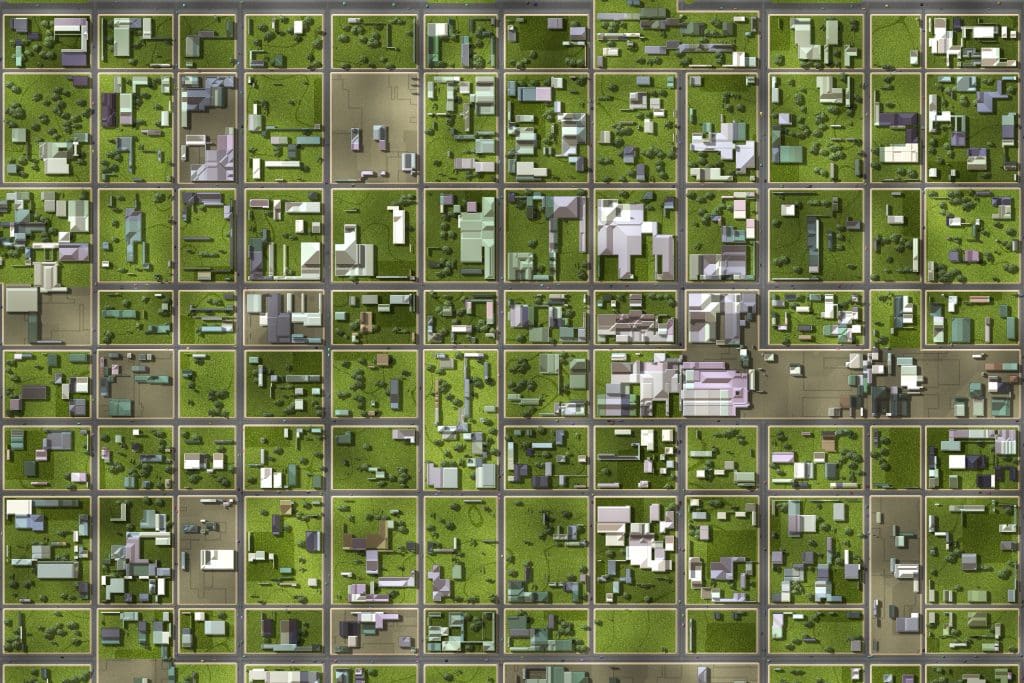
Developed in partnership with the Swiss Federal Institutes of Technology in Lausanne (EPFL) and Zürich (ETHZ), POMELO (POpulation Mapping by Estimation of Local Occupancy rates) generates high resolution population maps at a 100x100 meter scale. By analyzing open geospatial data, building characteristics, road proximity, elevation, and historical trends, the model offers detailed insights into population density, filling critical data gaps in areas where traditional census information is outdated, unavailable, or disrupted by conflict.
Published in February 2025, the case study outlines how ICRC operationalized this model through an internal Population Grid Hub, allowing staff in the field to access and validate population estimates directly. While technical hurdles remain in scaling and sustaining AI tools across the organization, the project underscores the potential of AI to transform the way humanitarian actors identify needs, allocate resources, and tailor interventions.
We’re proud to highlight this example of human centered technology grounded in local knowledge, academic rigor, and operational necessity. Special thanks to Thao Ton That Whelan and Blaise Robert at ICRC for their leadership, and to Meheret Takele Mandefro from NetHope for capturing these insights.
NetHope & UKHIH Case Studies
As artificial intelligence (AI) continues to reshape our world, the humanitarian sector must chart a path that leverages its potential to enhance response efforts while addressing associated risks and ethical considerations. NetHope, in collaboration with the UK Humanitarian Innovation Hub (UKHIH), is proud to document and share real world case studies that demonstrate how AI technologies are being applied to tackle complex humanitarian challenges. These case studies are designed to serve as practical resources for organizations exploring similar AI driven approaches, offering valuable insights, lessons learned, and best practices to support informed adoption across the sector.

Sign up for the UKHIH AI newsletter here for additional resources.
If you are a NetHope Member, sign up to the NetHope Network here and to join the NetHope AI and Emerging Technologies Working Group to learn and collaborate on the responsible use of AI for nonprofits.


